We Check IDs at the Counter. Why Not in App Stores?
By Genoveva Díaz
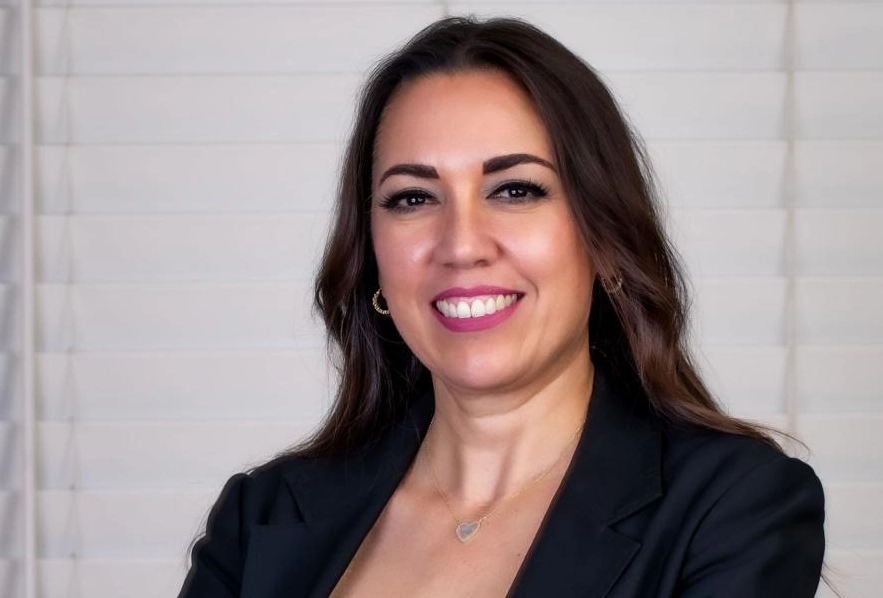
Arizona educator and president of CREA LatinX
Teenagers and small-business owners may seem to have little in common. I work with both. I teach high school in Arizona and serve as president of CREA LatinX, an organization that supports Latino entrepreneurs and leaders. These experiences have shown me an inconsistency in how we protect children online.
At a store, the rules are clear. Anyone selling beer, cigarettes or lottery tickets must check the buyer’s ID. If they fail to do so, they face consequences. Business owners understand that responsibility because their licenses and reputations are on the line. Yet app stores, which children visit every day, operate under different expectations.
In my classroom, I see students downloading apps all the time. Many of those apps collect personal information, share data or use features designed to hold their attention. Sometimes parents find out too late what their children have installed.
A national survey conducted by Impact Research and commissioned by ALLvanza found that 82% of voters and 85% of parents supported requiring age verification and parental approval before minors download apps. Among Latino parents, 79% supported the proposal, and 69% said it would be easier to approve apps through a single app store than to manage permissions separately for each app.
This matters in Arizona, where nearly half of public-school students are Latino. I know parents who open their businesses at dawn and close at night. They want a say in their children’s online decisions, but they have little time to review the settings for every app. They need a clear, accessible process.
The App Store Accountability Act proposes verifying a user’s age when they create an account. If the user is a minor, the account would be linked to a parent’s account so the parent could approve downloads and purchases. Changes to an app’s age rating or data practices could require parents to give consent again. The proposal also limits the information needed to verify a user’s age.
Another proposal, the Parents Over Platforms Act (POPA), would ask users for their age without requiring independent verification. A child could enter a false birth year and be treated as an adult. For a retailer, that would be like taking the customer’s word for it. We would never accept that approach for selling age-restricted products. Why should it be enough in an app store?
Parental involvement works only if the system can reliably identify minors. Age verification must also protect families from unnecessary collection of personal information. Safety and privacy must go hand in hand.
Congress is considering measures to protect children online. The House passed a legislative package in June, and the Senate Commerce Committee advanced its version of the Kids Online Safety Act in August. As negotiations continue, lawmakers should take a close look at what they ask of app stores.
For Arizona families, this debate plays out every day when a child picks up a phone and downloads an app. Parents should have a chance to step in before the download happens.
Sens. Mark Kelly and Ruben Gallego, along with Arizona’s House delegation, can assess whether the final legislation provides effective age verification, a practical way for parents to give consent, and safeguards for privacy.
As a teacher, I see how quickly new technology becomes part of students’ lives. Working with small-business owners, I also see that accountability depends on rules people can follow and verify. Families deserve a balance between access, privacy and protection.
Checking IDs at the counter is part of doing business responsibly. Digital storefronts have responsibilities, too. The App Store Accountability Act would start where downloads begin, by verifying a user’s age and giving parents a say before their children download an app.
Genoveva Díaz
520-204-0782