Pueblos del Maíz
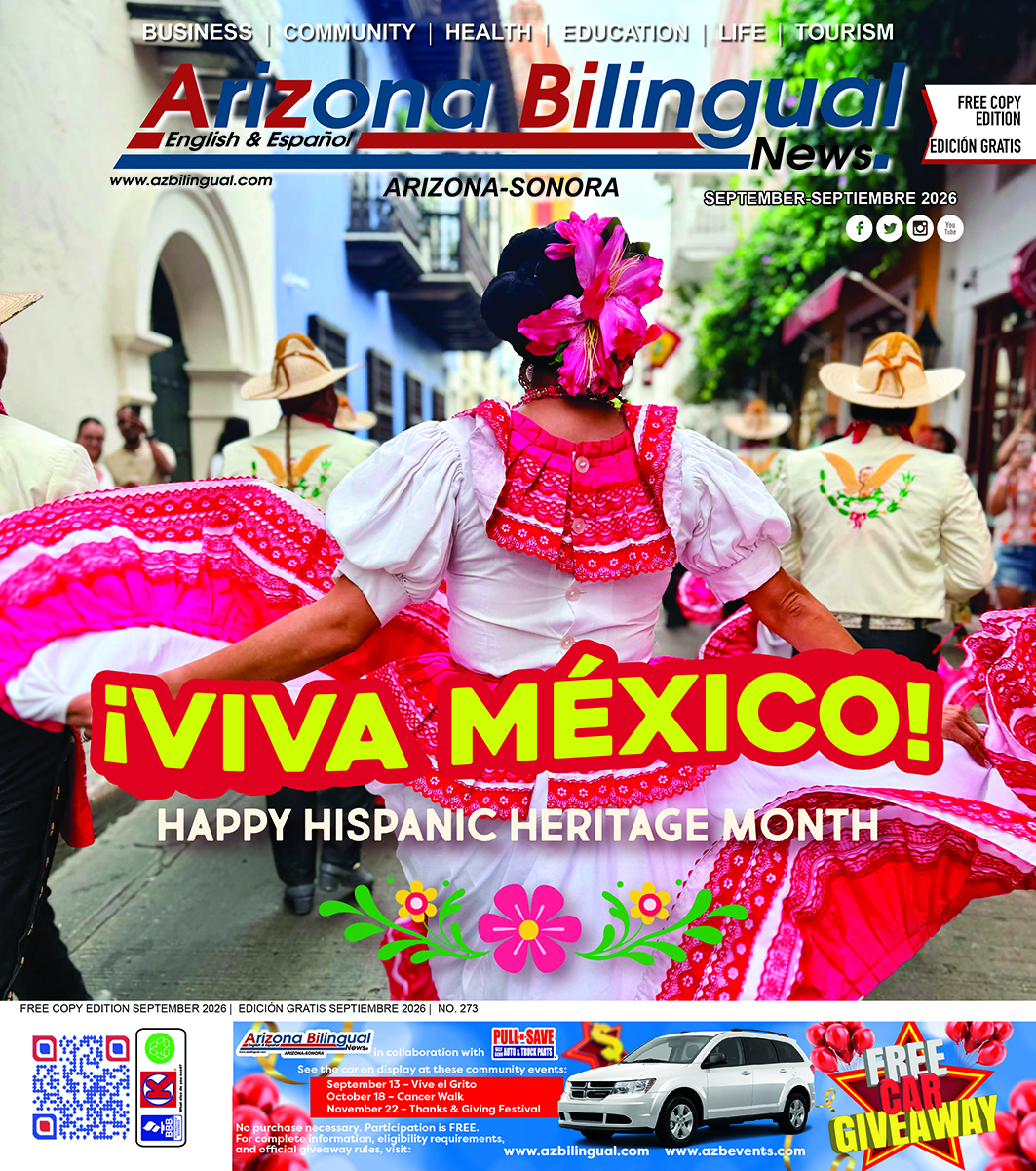
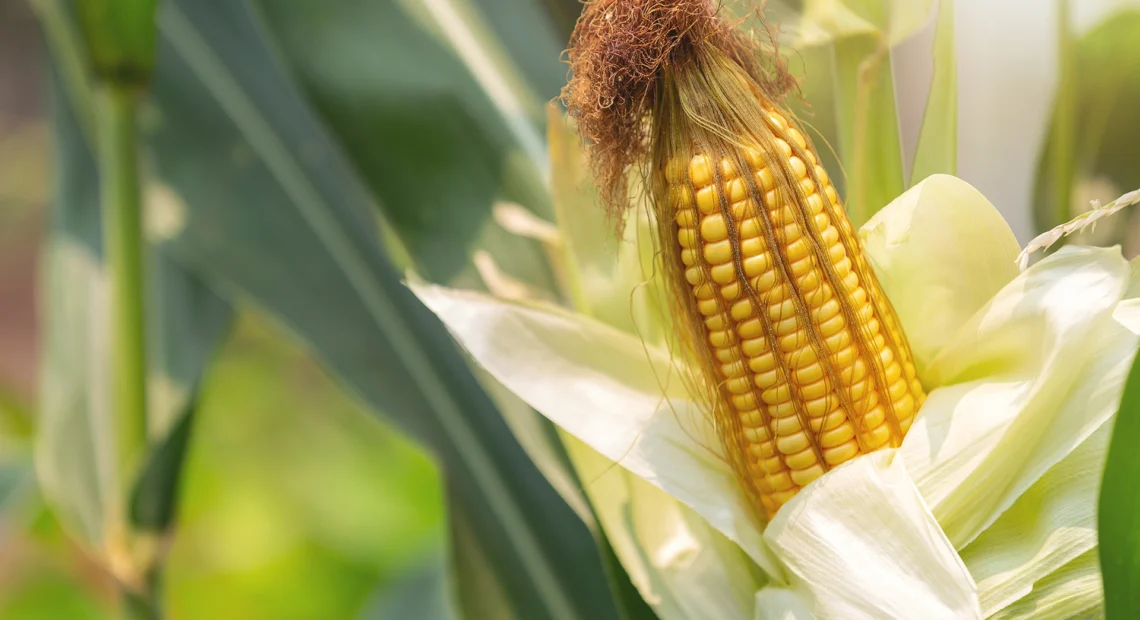
“Pueblos del Maíz” is Tucson’s annual food festival celebrating the cultural and culinary importance of corn, as well as its enduring role in shaping the cuisines and identities of communities throughout the Arizona–Sonora border region across generations. This year’s edition brings together San Antonio, Texas; Tucson, Arizona; Mérida, Yucatán; and Bergamo, Italy—all UNESCO Creative Cities of Gastronomy.
Chef Claudia Vindiola of La Frida describes the traditional preparation:
“It is corn that is cooked, sun-dried, and then removed from the cob. It is passed through a mill just enough to crack the kernels, then left to rest for 12 hours so it can hydrate. Once hydrated, it is cooked, and afterward it is stewed with Mexican chiles and Mexican spices.”
Chef José Contreras of Amelia’s Mexican Kitchen also highlighted the importance of working with diverse varieties of Mexican corn:
“Right now, I have the opportunity to work with corn from all over Mexico—from Tlaxcala, Puebla, and the State of Mexico. It’s really special for us to be able to work with the process of nixtamalization.”
Celebrating its fifth year, “Pueblos del Maíz” will take place September 24–27, 2026, at various locations throughout Tucson. Activities will include an outdoor opening reception at Tucson Gastro Park, a free public panel on preserving corn biodiversity in the southwestern United States, northwestern Mexico, and northern Italy, tours of the Native Seeds/SEARCH seed bank facilities, and free demonstrations of traditional cooking from the border region. The full schedule is available at pueblosdelmaiz.com/tucson.
As part of the celebration, Kennedy Park will host a large community gathering featuring a free concert headlined by Los Apson, along with dance performances, food, arts and crafts, live mural painting, and activities for the whole family.
Local and visiting chefs will also take part in a collaborative dinner inspired by the concept of the “Three Sisters” corn, beans, and squash, as a tribute to corn-based food traditions that continue to nourish communities around the world.